(717) 898-4663
  Landisville, PA


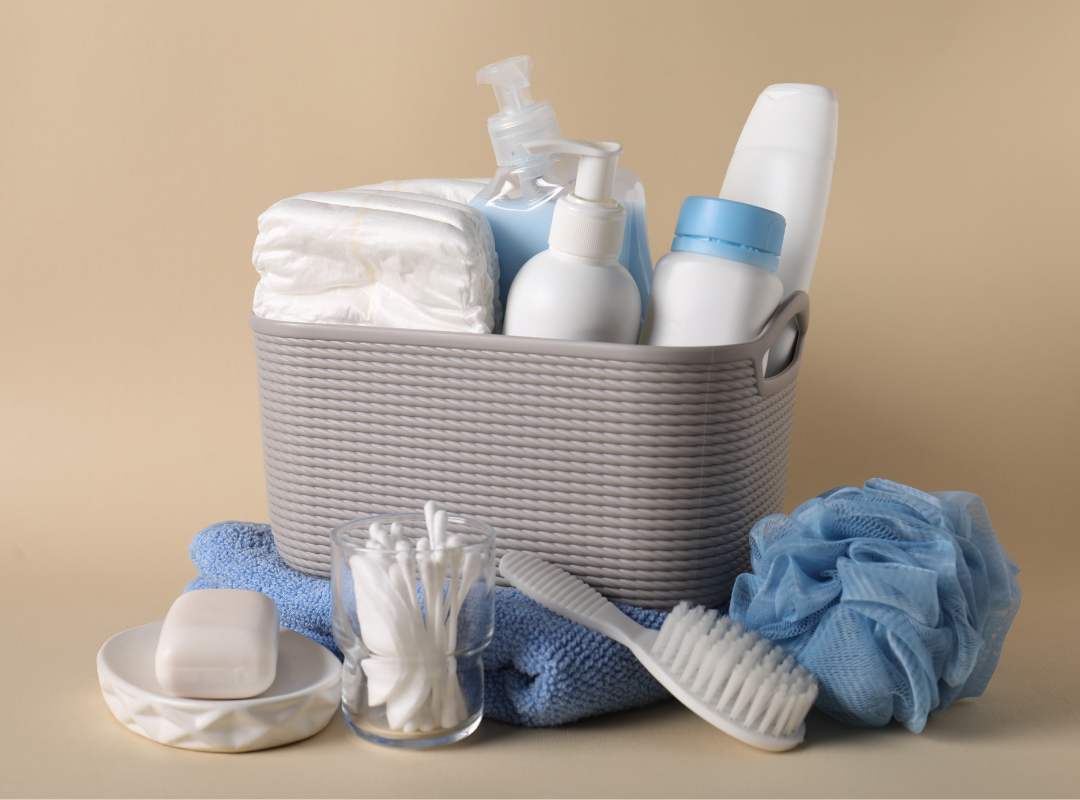
A personal care items list is a simple, organized set of daily hygiene, grooming, comfort, and safety essentials that helps seniors stay clean, feel prepared, and follow familiar routines with less stress for them and the family members who support them.
For many families, the right list also brings clarity. It helps you see what your loved one can manage alone, where reminders may help, and when daily support may be needed. At Oak Leaf Manor North in Landisville, PA, families exploring Personal Care or Memory Care may use this kind of list as a starting point for safer, more comfortable daily routines.
What Is a Personal Care Items List for Seniors?
A personal care items list for seniors is a planned group of everyday items used for bathing, grooming, oral care, skin care, clothing, and comfort. It helps families organize the hygiene supplies a loved one may need to feel clean, confident, and ready for the day.
This list may also be called a hygiene products list, list of hygiene products, list of hygiene items, or personal hygiene products checklist. The name may vary, but the goal is the same: make daily care easier to follow and less overwhelming.
Essential Hygiene Items Seniors May Need Every Day
Essential hygiene items support the small daily routines that help a senior feel refreshed and cared for. These items do not need to be complicated, but they should be easy to find, easy to use, and suited to your loved one’s daily habits.
Bathing and Body Care
A simple list of hygiene products may include soap, shampoo, washcloths, towels, moisturizer, deodorant, and other personal hygiene products used after bathing. Keeping these items together can make bathing routines feel more predictable.
Oral Care and Grooming
Oral care and grooming items may include a toothbrush, toothpaste, denture care items if needed, a comb or brush, nail care tools, and shaving items. These small daily tasks can make a big difference in how prepared and comfortable someone feels.
Clothing, Laundry, and Daily Freshness
Clean clothing, fresh linens, and easy access to laundry items can support dignity and comfort. For seniors who find household routines harder to manage, laundry services and housekeeping services can help keep the day feeling calmer and more organized.
A Simple Hygiene Kit for Safer Daily Routines
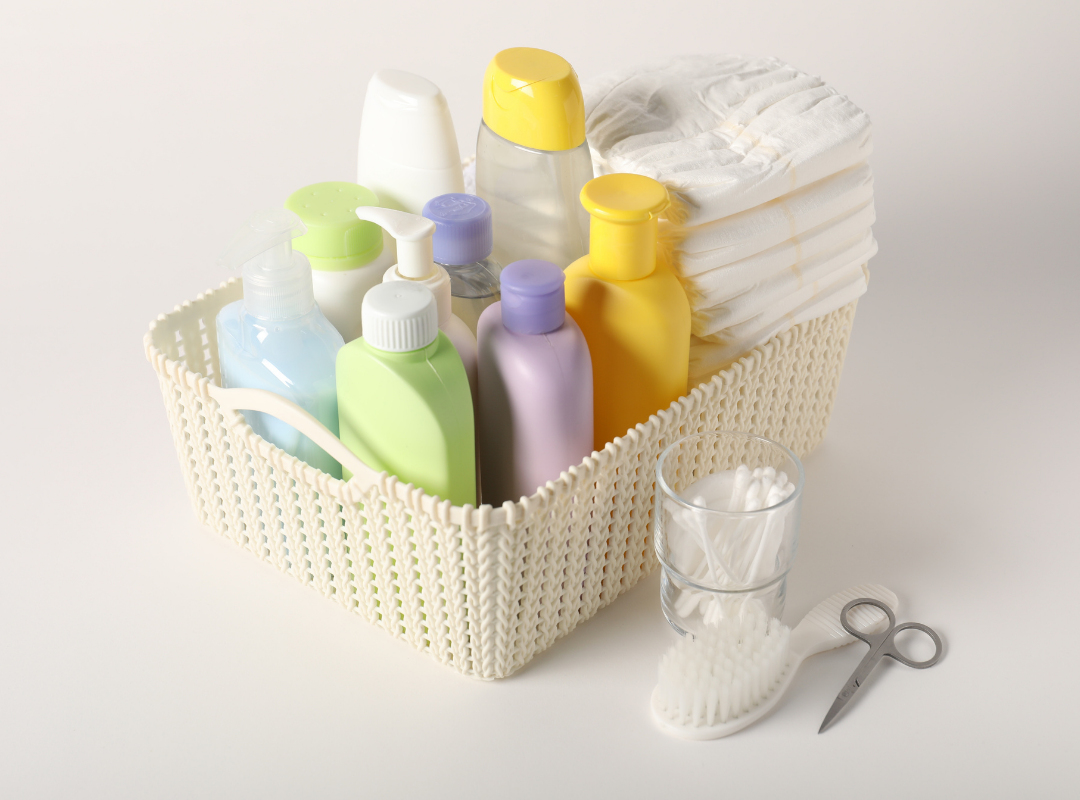
A hygiene kit can make daily care easier by keeping the most-used hygiene items in one place. This is especially helpful if your loved one becomes tired, forgetful, or frustrated when supplies are scattered across different rooms.
According to the CDC’s older adult falls data, over 14 million adults ages 65 and older, or 1 in 4, report falling each year. That makes simple choices like easy-to-reach storage, clear labels, and safer bathing items worth reviewing with care.
| Category | Items to Include | Why It Helps | When to Review or Replace |
| Bathing | Soap, shampoo, washcloths, towels | Supports clean and familiar bathing routines | When items run low or become hard to use |
| Oral Care | Toothbrush, toothpaste, denture care items if needed | Helps maintain a daily mouth care routine | Every few months or when worn |
| Grooming | Comb, brush, nail care tools, shaving items | Supports a neat, prepared feeling | When tools become dull or difficult to hold |
| Skin Care | Moisturizer, gentle wipes, deodorant | Helps with comfort and freshness | When products expire or irritate the skin |
| Laundry and Clothing | Fresh clothing, laundry bag, labeled storage | Keeps daily dressing more organized | As clothing needs or routines change |
| Comfort and Convenience | Tissues, lotion, and easy-to-open containers | Makes frequently used supplies easier to reach | When preferences or abilities change |
| Safety-Related Daily Items | Non-slip bath mat, easy-grip containers, and clear storage | Helps reduce stress during personal care routines | Whenever routines feel harder to manage |
A hygiene kit should be simple enough to use every day. If the kit becomes too full, it may create more confusion, so focus on the hygiene supplies your loved one truly uses.
How to Choose Personal Care Items Based on Changing Needs
The best personal care items are the ones that match your loved one’s current abilities and routines. A senior who manages grooming well may only need organization, while someone with memory changes or reduced mobility may need more reminders and daily support.
The Alzheimer’s Association daily care plan includes personal care, bathing, dressing, activity, rest, and flexibility as part of daily routine planning. At Oak Leaf Manor North, Personal Care and Memory Care are available for seniors whose needs may go beyond supplies alone.
Signs Your Loved One May Need More Daily Support
You may notice missed bathing routines, laundry piling up, grooming steps being forgotten, or confusion around daily care items. These signs do not mean something has gone wrong. They may simply show that your loved one needs a clearer routine or more consistent support.
Supporting Independence While Keeping Care Practical
The goal of a personal care items list is to support independence, not take away control. When supplies are organized and routines feel familiar, your loved one may feel more confident moving through the day.
Helpful steps may include:
- Keeping hygiene items in the same easy-to-reach place
- Using simple labels on drawers, bins, or baskets
- Reviewing supplies regularly so nothing runs out
- Choosing items that are easy to open, hold, and recognize
For a broader look at daily wellness, health, and personal care tips for seniors can add helpful context as you review routines. For some seniors, daily life may also feel smoother with services that support the larger routine around personal care, such as dining, housekeeping services, laundry services, activity rooms, and social areas.
When a Personal Care Items List Is Not Enough
A personal care items list can help, but it may not solve every daily care concern. If your loved one often forgets to use hygiene items, struggles to follow routines, or needs regular reminders, a more supportive setting may be worth exploring.
Pennsylvania’s personal care home services page explains that personal care homes can help with daily living tasks, which can give families useful context when routines become harder to manage. Questions like these can help you decide what kind of support may be needed:
- Is your loved one using hygiene items consistently?
- Are daily routines becoming stressful or unsafe?
- Are family caregivers managing more than expected?
- Would Personal Care or Memory Care support make daily life feel steadier?
These questions can help you move from guessing to planning. They also give families a calmer way to talk about care without making the conversation feel rushed.
Make Daily Care Feel Easier With the Right Support
A thoughtful personal care items list can make each day feel more organized, but the right support system matters too. For seniors in Landisville, PA, Oak Leaf Manor North offers Personal Care and Memory Care in a community where daily routines, comfort, and meaningful connections can work together.If your family is reviewing care needs, you can schedule a tour or contact us with questions and talk through the next step in a calm, helpful way.
Frequently Asked Questions
What is the 40-70 rule for aging parents?
The 40-70 rule means that when adult children are around 40 and parents are around 70, it may be time to start talking about aging, care preferences, and daily support. These conversations can include hygiene routines, home safety, medication reminders, and future care wishes. The goal is to plan before a concern becomes stressful. A simple personal care items list can be a gentle place to begin the discussion.
What are examples of personal care items?
Examples of personal care items include bathing supplies, oral care products, grooming tools, skin care items, clean clothing, and laundry supplies. A list of hygiene items may include soap, shampoo, towels, toothbrushes, toothpaste, deodorant, moisturizer, combs, and nail care tools. These personal hygiene products help support daily comfort and cleanliness. Families may also organize these hygiene supplies into a simple hygiene kit.
What should an 80-year-old do every day?
An 80-year-old may benefit from a steady daily routine that includes hygiene, meals, hydration, gentle movement when appropriate, rest, and social connection. If medications are part of the routine, they should be handled according to the person’s care plan or guidance. Daily grooming, clean clothing, and familiar hygiene items can also support confidence. The routine should match the person’s abilities, preferences, and level of needed support.
My father has been living at Oak Leaf Manor North for a little over 5 1/2 years and we still can’t believe our good fortune to have found this amazing “home” for him. The entire staff go out of their way to make him feel special.
Cindy Zimmerman