(717) 898-4663
  Landisville, PA


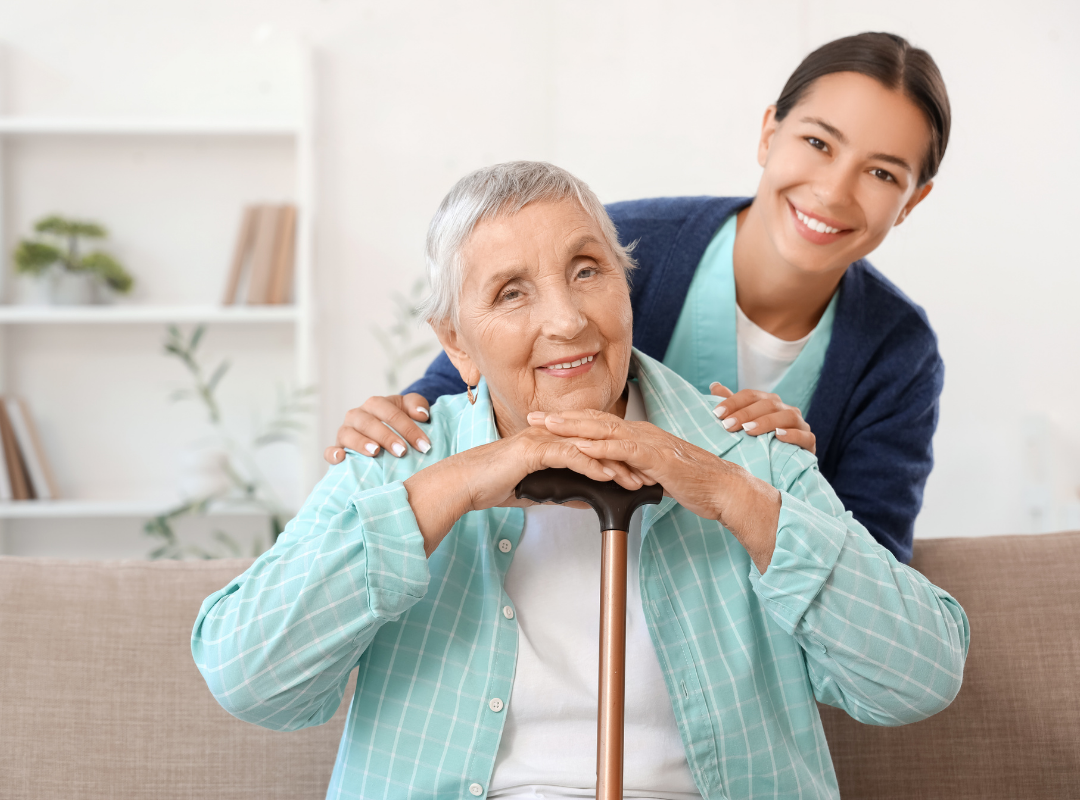
Health and personal care mean the daily habits and support that help you stay clean, comfortable, active, and well. For seniors, that often includes hygiene, meals, movement, medication support, and a routine that feels steady and reassuring.
If you are exploring care for yourself or someone you love, small daily needs can shape the whole day. At Oak Leaf Manor North in Landisville, PA, families can explore supportive living options and learn more about available care through our Levels of Care page.
What Is Health and Personal Care?
Health and personal care refer to the everyday actions that support hygiene, comfort, safety, and overall well-being. It can include bathing, grooming, healthy meals, movement, medication routines, and a clean living environment. The World Health Organization defines self-care as the ability of individuals, families, and communities to promote health, prevent disease, maintain health, and cope with illness, with or without the support of a health worker.
This is one reason health and personal care examples matter so much in later life. When daily routines are consistent, they can support confidence, dignity, and a stronger sense of control.
Why It Matters More With Age
Health and personal care often become more important with age because everyday tasks may take more time, energy, or support. A dependable routine can help reduce stress, protect comfort, and make each day feel more manageable for both seniors and families.
Why self-care is important becomes even clearer when you look at the bigger picture. The World Health Organization notes that regular physical activity, a form of self-care, can help avert an estimated 3.9 million premature deaths each year.

10 Personal Hygiene Practices That Support Wellness
Good hygiene supports comfort, confidence, and overall wellness. The healthdirect personal hygiene guide explains that daily hygiene habits help protect your body and reduce the spread of germs.
Daily hygiene habits
- Wash your hands regularly
- Bathe or shower consistently
- Brush and floss your teeth
- Clean dentures if used
- Keep hair clean and groomed
- Trim and clean nails
- Wear fresh, clean clothing
- Practice safe toileting hygiene
- Moisturize and care for skin
- Change bedding and towels often
These health and personal care products and routines can make everyday life feel fresher, more comfortable, and more manageable.
Healthy routine support
Hydration, regular movement, and a tidy living space also support wellness. Together, these habits reflect 5 benefits of self-care many people notice first: better comfort, more confidence, improved cleanliness, steadier routines, and greater peace of mind.
Health and Personal Care Examples in Senior Living
In a supportive community, examples of health and personal care often include help with daily routines while still respecting independence. That may include medication assistance, dining, housekeeping and laundry services, on-site transportation and rehabilitation services, along with access to activity rooms, social areas, and community spaces.
At Oak Leaf Manor North, wellness can also be supported through art classes, fitness classes, game nights, movie nights, religious services, and outings to local Landisville attractions, including museums and restaurants. If you would like to explore a related resource, Key Personal Care Home Regulations in PA to Know offers helpful context on care standards in Pennsylvania.
Comparing Home Routines and Community Support
Sometimes it helps to compare what daily life may look like in different settings.
| Daily Need | Managing Alone | Community Support |
| Meals | Planning and preparation needed | Dining available |
| Transportation | Personal scheduling required | On-site transportation |
| Housekeeping | Ongoing physical effort | Housekeeping services |
| Medication Routine | Easy to miss reminders | Medication assistance |
| Social Connection | Can become limited | Activities and event rooms |
The right choice depends on your preferences, your routine, and the type of support that helps you feel your best.
Signs It May Be Time for More Personal Care Support
Families often begin looking more closely at care when everyday routines become harder to manage. This usually comes from love and concern, especially when changes seem small at first but begin to happen more often.
Common signs to watch for
Missed medications, reduced attention to hygiene, social withdrawal, skipped meals, or difficulty keeping up with laundry and housekeeping can all point to a need for more support. If you are unsure where to begin, our Care Assessment can help you examine your current needs with greater clarity.

A Comfortable Next Step for Wellness and Confidence
The right support can make daily life feel calmer, more comfortable, and more enjoyable. It can also open the door to more connections, more consistency, and a setting where wellness is part of the rhythm of everyday life. The Pennsylvania Department of Aging notes that Pennsylvania is home to 3.4 million older adults, which reflects how many families across the state are thinking carefully about healthy aging and supportive services.
If you want to see what that kind of support can look like in person, you can schedule a tour, contact us with your questions, or call us at 717-898-4663 to talk through the next step in a comfortable, personal way.
Frequently Asked Questions
What is health and personal care?
Health and personal care mean the daily habits, support, and services that help someone stay clean, comfortable, safe, and well. It includes things like hygiene, meals, movement, and medication routines. For seniors, it may also include support with everyday tasks that have become harder to manage on their own. The goal is to protect wellness while preserving dignity and comfort. It can happen at home or in a supportive senior living setting.
What is the meaning of personal health care?
Personal health care refers to the steps you take to maintain your own physical well-being and daily wellness. This can include bathing, oral care, exercise, healthy meals, and staying on top of medications or appointments. For some older adults, personal health care also includes help from caregivers or a supportive community. The purpose is to keep daily life steady, safe, and manageable. Good routines often make a noticeable difference over time.
What are the 7 types of personal hygiene?
The 7 types of personal hygiene commonly include hand hygiene, oral hygiene, bathing, hair care, nail care, clothing hygiene, and toileting hygiene. Each one supports cleanliness, comfort, and health in a different way. Together, they help reduce germs, lower the risk of illness, and improve confidence. For older adults, these routines may need extra support depending on mobility or memory needs. A consistent routine is often just as important as the task itself.
What are examples of personal care?
Examples of personal care include help with bathing, dressing, grooming, medication reminders, meals, housekeeping, laundry, and transportation. These services are meant to make daily life easier and more comfortable. Some people only need light support, while others benefit from a more structured routine. Personal care should always match the person’s needs and preferences. The best support feels helpful, respectful, and steady.
My father has been living at Oak Leaf Manor North for a little over 5 1/2 years and we still can’t believe our good fortune to have found this amazing “home” for him. The entire staff go out of their way to make him feel special.
Cindy Zimmerman