(717) 898-4663
  Landisville, PA


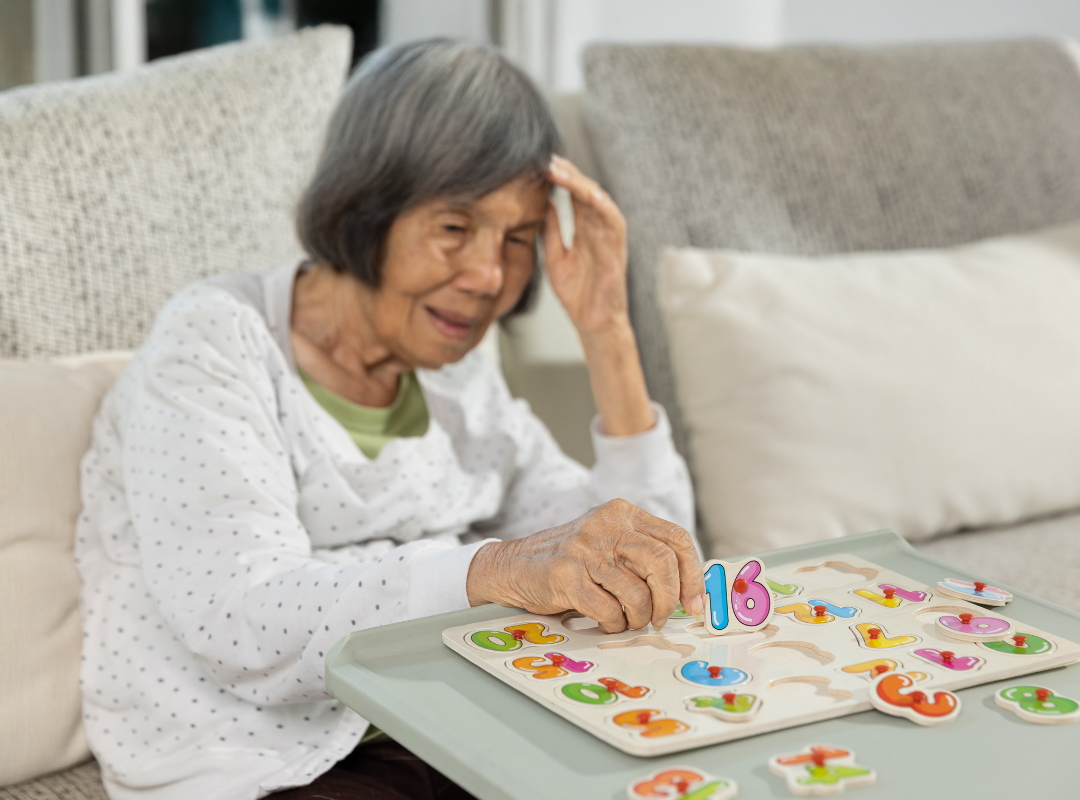
Memory games for dementia patients work best when they are familiar, easy to adjust, and enjoyable without requiring perfect recall. Matching pictures, sorting objects, completing simple puzzles, listening to music, and playing familiar card games can create opportunities for attention, conversation, movement, and shared enjoyment.
The goal is not to test someone’s memory or correct every mistake. A good activity fits the person’s current abilities, interests, mood, and energy. You will find practical ideas below, along with ways to simplify games, recognize frustration, and make each experience feel supportive.
What Are Memory Games for Dementia Patients?
Memory games for dementia patients are structured or informal activities that encourage recall, recognition, attention, language, sequencing, or familiar movement. They may involve cards, pictures, music, household objects, puzzles, conversation, digital tools, or gentle physical activity.
Dementia can affect memory, communication, thinking, behavior, and the ability to manage daily activities. The World Health Organization dementia fact sheet reports that 57 million people worldwide were living with dementia in 2021, with nearly 10 million new cases occurring each year. The organization also explains that physical activity, social engagement, and continued participation in daily activities may support well-being, although they do not cure dementia.
Memory games are different from clinical memory tests. A game is meant to offer participation and enjoyment, while a cognitive assessment is used by a qualified professional to evaluate changes in thinking or memory.
How to Choose the Right Game for a Person With Dementia
The right game is one that the person can recognize, understand, and enjoy with a comfortable level of support. A complex activity is not necessarily more useful than a simple one.
Start With Familiar Interests
Begin with subjects the person has enjoyed before. Familiar music, hobbies, occupations, places, household routines, or types of games may provide a natural starting point.
Someone who has always enjoyed cards may respond well to sorting a deck by suit or playing a simplified version of a familiar game. A person who enjoys music may prefer identifying songs, singing along, or following a rhythm. Familiarity can make it easier to join the activity without needing a long explanation.
Match the Activity to Current Abilities
Consider what the person can comfortably do at that moment. Dementia can affect attention, speech, movement, vision, hearing, and the ability to follow several steps.
Look at practical factors such as:
- Whether the person can see and handle the pieces
- How many instructions can they follow comfortably
- Whether they prefer individual or group activities
- How much energy and attention they have
An activity that worked well before may feel difficult on another day. Adjusting your plan to the person’s response can protect their confidence and make the time together more positive.
Focus on Enjoyment Rather Than Accuracy
A memory activity should feel like shared time, not a performance review. Correcting every answer, keeping score, or repeatedly asking the person to remember something can create embarrassment or frustration.
Offer prompts when needed and acknowledge participation without focusing on whether every response is correct. Laughter, conversation, eye contact, movement, and willingness to continue may be more meaningful signs of success than completing the game.
Simple Memory Games for Dementia Patients
Simple games for dementia patients reduce unnecessary rules while creating opportunities to recognize, sort, match, speak, or move.
Matching and Sorting Games
Matching and sorting activities offer clear visual choices and can be adapted easily. You might match identical picture cards, pair related objects, sort cards by color, or group safe household items by type.
Begin with only a few items. Add more if the activity feels too easy, or reduce the choices if the person appears unsure. Clear pictures and objects that are easy to hold usually work better than small or highly detailed pieces.
Word and Conversation Games
Language activities can encourage expression without requiring complex rules. Try naming items in a familiar category, identifying common objects, completing well-known phrases, or using a simple word search.
Avoid pressuring the person to recall an exact word. You can offer a choice, provide the first sound, or continue the conversation without pointing out the mistake. The exchange matters more than the answer.
Puzzles and Picture Activities
Jigsaw puzzles can support visual attention and hand coordination when the picture and difficulty level are appropriate. Choose large pieces, clear images, and subjects the person may recognize.
You can complete the puzzle together, place a few pieces in position beforehand, or offer one likely piece at a time. Enjoying part of the puzzle can still create a worthwhile shared activity.
Familiar Card and Board Games
Familiar card and board games may be easier to understand than newly introduced games. Go Fish, Bingo, matching cards, and simplified board games can encourage turn-taking and conversation.
Rules can be changed to suit the person. Remove scoring, shorten the game, show the cards face up, or play as a team.
Music and Reminiscence Activities
Music can create a natural opening for recognition, movement, and conversation. Play a familiar song, sing together, tap to the rhythm, or invite the person to finish a well-known line.
Photos and familiar images can also encourage conversation. Use open, supportive comments instead of testing questions. Saying, “This looks like a beautiful garden,” can feel more welcoming than asking the person to identify exactly where or when a photo was taken.
Memory Game Comparison by Ability and Support Needed
The most suitable activity depends on the person’s interests, current abilities, and the support available.
| Activity Type | May Be Suitable When | Ways to Adapt It | What to Watch For |
| Picture matching | The person recognizes clear images | Use fewer cards and larger pictures | Frustration with too many choices |
| Simple puzzles | The person enjoys hands-on activities | Choose large pieces and familiar scenes | Fatigue or trouble seeing details |
| Familiar card games | The basic game is already known | Simplify turns and remove scoring | Confusion caused by complex rules |
| Word activities | The person enjoys language | Give prompts and use familiar categories | Embarrassment when answers are corrected |
| Music games | Familiar songs invite participation | Use short clips or sing together | Discomfort caused by loud volume |
| Sorting activities | Repetitive tasks feel natural | Use safe, familiar objects | Boredom or resistance |
| Gentle movement games | The person enjoys physical activity | Allow seated participation | Balance concerns or fatigue |
| Digital games | The person is comfortable with a device | Enlarge the display and offer assistance | Small text, ads, or confusing controls |
Responses may change with the person’s energy and time of day.
How to Adapt Interactive Games to the Person’s Abilities
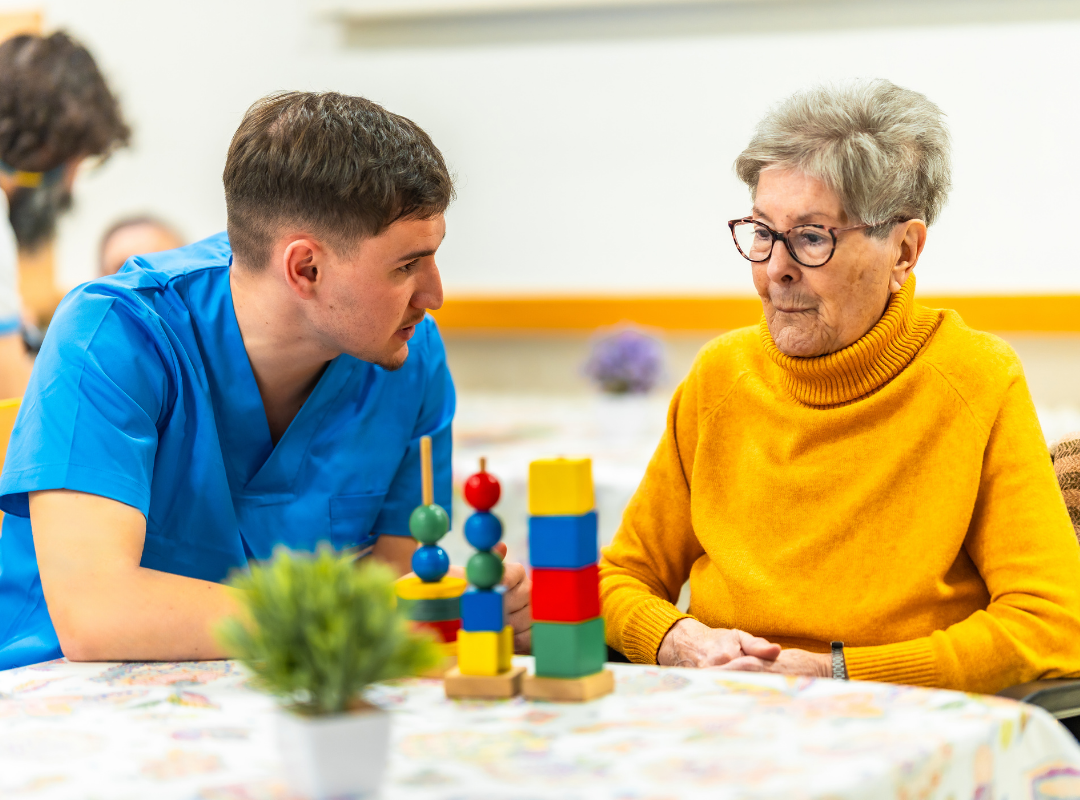
Interactive games for dementia patients become more accessible when you adjust the game to fit the person. This section focuses on practical changes you can make after choosing an activity.
Start with something familiar, simplify the activity, and follow the person’s response. Give one instruction at a time, allow extra time, and remove scoring when it creates pressure.
You can also make specific changes:
- Demonstrate the first turn instead of giving a long explanation
- Reduce the number of choices, cards, or puzzle pieces
- Use large print, clear pictures, and easy-to-hold materials
- Remove timers, scoring, and complicated rules
- End the activity while it still feels positive
Calm communication also supports participation. Use short instructions, pause for a response, and offer encouragement without repeatedly correcting the person. Questions such as “Would you like this one or that one?” may be easier to answer than broad questions with many possible responses.
The National Institute on Aging activity guidance recommends considering the person’s abilities, interests, and stage of illness. Its adaptable activity ideas include walking, stretching, cooking, music, and tossing a soft ball or balloon.
When a Memory Game Is Too Difficult or Overstimulating
A memory game may be too difficult when the person becomes confused, tired, withdrawn, restless, or upset. Continuing after these signs appear can turn a pleasant activity into an unwanted test.
Watch for changes in facial expression, tone of voice, movement, attention, or willingness to participate. Repeatedly pushing pieces away, looking around the room, becoming unusually quiet, or refusing the next turn may signal that the activity needs to change.
You can respond by reducing the number of steps, lowering background noise, offering a familiar alternative, or taking a break. Ending the activity calmly does not mean it failed. It means you noticed what the person needed.
If a structured game causes fatigue or frustration, sitting together with music or looking through a few pictures may be a better choice that day.
Free, Printable, and Digital Games for Dementia Patients
Free games for dementia patients can be useful when they have clear instructions, readable designs, and an appropriate level of difficulty. Printable matching cards, large-print word activities, picture prompts, and basic sorting pages may be easier to use than materials with crowded layouts.
When searching for free printable memory games or brain exercises for a person with dementia, look for materials with these features:
- Large, readable text and clear images
- One simple task per page
- Familiar, age-respectful subject matter
- No timer or pressure to finish
- A difficulty level that can be adjusted
A printable activity should not feel childish. The images, words, and design should respect the person’s life experience while remaining easy to see and understand.
Digital activities can work well for someone who is comfortable using a tablet, phone, or computer. Simple puzzles, matching games, music activities, and coloring tools may offer convenient options, but complicated menus, notifications, advertisements, or small controls can confuse.
Prepare the device before beginning. Open the activity, increase the display size, silence alerts, and stay nearby if assistance is needed. Choose the format that creates the easiest and most enjoyable experience.
Physical and Social Games That Add Movement and Connection
Physical and social games can combine simple thinking tasks with movement, conversation, and companionship. They may include balloon toss, bean bag toss, rhythm activities, seated follow-the-leader, Bingo, or other familiar group games.
Keep the person’s mobility and support needs in mind. Seated participation, shorter turns, soft equipment, and slower movements can make an activity easier to join. Stop if the person appears tired, unsteady, or uncomfortable.
The CDC dementia risk-reduction guidance explains that physical activity supports brain and overall health, but dementia risk cannot be reduced through a single activity such as playing brain games. Its recommendations include a broader combination of physical activity, health management, hearing care, and other lifestyle factors.
At Oak Leaf Manor North in Landisville, opportunities for social and physical engagement include fitness classes, game nights, art classes, movie nights, activity rooms, community spaces, religious services, and outings to local attractions. These options give residents different ways to connect and participate at a comfortable level.
How Often Should Memory Activities Be Offered?
Memory activities can be offered regularly, but there is no single schedule that works for every person with dementia. The right frequency depends on interest, attention, energy, routine, and response.
A brief activity that ends positively may be more enjoyable than a long session that causes fatigue. Some people may welcome a familiar game each day, while others may prefer occasional activities or more variety.
Time of day can also make a difference. Notice when the person is usually alert and relaxed. Offering an activity during that period may make participation easier.
If the person declines, you can try again later or offer another type of connection, such as listening to music, taking a short walk, or sitting together.
What Memory Games Can and Cannot Do
Memory games can support engagement, connection, communication, and enjoyable routines, but they cannot be relied on to prevent, cure, or reverse dementia. Clear expectations help families choose activities for the right reasons.
What Games May Support
A well-matched activity may encourage attention, conversation, familiar movement, social interaction, or a sense of participation. It can also give family members and caregivers a shared focus, especially when ordinary conversation has become harder.
The experience will vary. A game that encourages speech for one person may mainly offer sensory enjoyment or companionship for someone else.
What Games Should Not Be Claimed to Do
Memory games should not be presented as a way to diagnose dementia, replace professional care, stop cognitive changes, or guarantee better memory. They are supportive activities, not medical treatment.
Brain games for dementia prevention also require careful context. Cognitive and social activity may be part of a healthy lifestyle, but no individual puzzle, app, or game can guarantee that someone will not develop dementia.
Activities for a person already living with dementia have a different purpose from competitive brain training. Participation, familiarity, dignity, and enjoyment should guide the experience.
Supporting Meaningful Engagement at Oak Leaf Manor North
Daily engagement is most meaningful when it reflects the person’s interests, abilities, and need for support. Oak Leaf Manor North provides Memory Care and Personal Care for older adults whose daily needs and preferences may differ.
Relevant activities and community amenities include art classes, fitness classes, game nights, movie nights, religious services, activity rooms, social areas, and community event spaces. These options create different ways to participate without expecting everyone to enjoy the same activity.
Families learning how dementia may affect everyday routines may also find Taking Care of a Parent With Dementia useful. It explores broader family concerns, including daily support, safety, and changing care needs.
Find the Right Level of Support for Your Loved One
The best memory games for dementia patients are familiar, flexible, and suited to the person in front of you. A simple activity can be meaningful when it supports connection without creating pressure to remember, compete, or finish.
If your family is exploring additional support in Landisville, take the Care Assessment to consider your loved one’s needs. Families ready to speak with the community may also schedule a tour, contact the Oak Leaf Manor North team, or call 717-898-4663 for a personal conversation.
Frequently Asked Questions
What are some simple memory games for dementia patients?
Simple memory games for dementia patients include picture matching, sorting familiar objects, large-piece puzzles, music recognition, basic card games, and easy word activities. Choose a game that reflects the person’s interests and current abilities. Use fewer pieces or choices if the activity becomes confusing. The goal should be enjoyable participation, not perfect recall.
How can interactive games be adapted to a person’s abilities and interests?
Interactive games can be adapted by simplifying the rules, reducing choices, and using familiar subjects. Large pictures, clear instructions, extra response time, and one step at a time may make participation easier. Remove scoring or competition when it creates pressure. Watch the person’s response and change or stop the activity if it becomes tiring or frustrating.
Where can families find free memory games or brain exercises for dementia patients?
Families may find free activities through aging organizations, caregiver resources, libraries, community programs, and reputable health organizations. Look for printable matching pages, picture prompts, large-print word exercises, and simple digital games. Materials should be easy to read, respectful, and free from complicated instructions. Review each activity before using it to make sure it fits the person’s abilities.
How often should a person with dementia participate in memory activities?
A person with dementia can participate as often as the activities remain welcome and enjoyable. No fixed schedule works for everyone. Short sessions may be easier than long activities, especially when attention or energy changes throughout the day. Follow the person’s response and avoid pressuring them to participate.
Can brain games prevent dementia or slow changes in memory?
Brain games cannot guarantee that dementia will be prevented or that memory changes will stop. Cognitive activity may be one part of a broader lifestyle that includes physical activity, social connection, and management of health conditions. For someone already living with dementia, games can support engagement and meaningful interaction. They should not replace medical guidance, diagnosis, or care.
My father has been living at Oak Leaf Manor North for a little over 5 1/2 years and we still can’t believe our good fortune to have found this amazing “home” for him. The entire staff go out of their way to make him feel special.
Cindy Zimmerman